England Faces Severe Drought: Over 50% of Nation Under Official Declaration
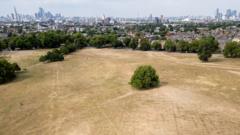
England Drought Declaration Affects Majority of Nation
The Environment Agency has officially declared that more than half of England is experiencing drought conditions, marking a significant environmental crisis. This England drought declaration comes after an unprecedented period of extreme heat and prolonged dryness that has fundamentally altered the landscape and threatened essential water supplies across multiple regions.
The declaration represents one of the most severe environmental challenges the country has faced in recent years, with implications extending far beyond water availability. Communities, agricultural sectors, and natural ecosystems are all grappling with the consequences of this extended period without adequate rainfall.
Causes Behind the Widespread Drought Crisis
The drought conditions have emerged following an exceptionally hot and dry spell that persisted over several months. Temperatures reached record-breaking levels while precipitation rates fell dramatically below seasonal averages, creating the perfect conditions for widespread water scarcity.
This combination of elevated temperatures and minimal rainfall has created a compounding effect on water resources. Higher temperatures increase evaporation rates from rivers, reservoirs, and soil, while reduced rainfall fails to replenish these critical water sources. The result is a rapid depletion of water supplies that took years to accumulate.
Impact on Rivers and Water Systems
Rivers throughout England have been severely affected by the drought conditions. Water levels have dropped significantly, with some waterways reaching critically low levels not seen in decades. This decline in river water affects not only human water consumption but also the delicate ecosystems that depend on these water systems.
The reduced water flow in rivers creates cascading problems for fish populations, aquatic invertebrates, and other wildlife species that require adequate water depth and movement. Some rivers have become fragmented into disconnected pools, isolating populations of sensitive species.
Agricultural Sector Under Strain
Farmers across the drought-affected regions face unprecedented challenges as crops struggle without adequate water. The extreme heat combined with insufficient rainfall has reduced soil moisture levels to dangerous lows, limiting crop growth and threatening yields.
Irrigation systems, which farmers typically rely on during dry periods, face restrictions as water authorities implement conservation measures. This creates a difficult situation where farmers must choose between limited water allocations and crop survival. Livestock farmers also face challenges sourcing adequate water for their animals and maintaining pasture quality.
Environmental and Nature Conservation Concerns
The England drought declaration has serious implications for nature and wildlife across affected regions. Wetlands, ponds, and other freshwater habitats are drying up, leaving species without essential breeding grounds and food sources.
Protected areas and nature reserves are experiencing unprecedented stress. Species that rely on specific moisture levels find their habitats becoming uninhabitable. Plants adapted to wetter conditions begin to decline, altering the composition of ecosystems that have remained stable for generations.
Water Supply Management and Public Impact
Water companies are implementing emergency measures to maintain public water supplies during this critical period. These measures may include temporary hosepipe bans, restrictions on garden watering, and public awareness campaigns promoting water conservation.
Residents are being urged to reduce water consumption in daily activities, from shorter showers to fixing leaks immediately. The Environment Agency continues monitoring reservoir levels and groundwater supplies to ensure domestic water security remains stable throughout the drought period.
Looking Forward: Recovery and Prevention
While the immediate focus remains on managing the current crisis, longer-term considerations about water infrastructure and climate resilience are gaining attention. The Environment Agency and water authorities are examining how to better prepare for future drought events.
Recovery from such extensive drought conditions typically requires sustained periods of above-average rainfall to replenish groundwater supplies and reservoirs fully. Even when precipitation returns to normal levels, the recovery process can extend over months or years depending on the severity of the deficit.