Greece Wildfire Forces Hundreds to Escape by Sea Amid European Blazes
Greece Wildfire Emergency Forces Massive Evacuation
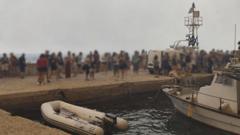
A devastating Greece wildfire has prompted emergency authorities to evacuate approximately 500 people, predominantly international tourists, using maritime rescue operations from coastal settlements. The crisis highlights the escalating fire emergency affecting multiple nations across the European continent as extreme weather conditions continue to exacerbate the situation.
Sea Evacuation Saves Trapped Residents and Visitors
Authorities deployed naval vessels and private boats to rescue individuals stranded in Agios Vasileios after the Greece wildfire spread rapidly through surrounding vegetation, cutting off land-based escape routes. The maritime evacuation operation represented a critical lifesaving intervention, with rescue teams working throughout daylight hours to transport vulnerable populations to safety zones positioned along the coastline.
Evacuees consisted largely of holiday visitors who found themselves in precarious circumstances as the wildfire intensity increased unexpectedly. Emergency coordinators prioritized families with children and elderly individuals during the transportation phase, ensuring that vulnerable groups reached secure locations ahead of other evacuees.
Broader European Wildfire Crisis Intensifies
The Greece wildfire represents merely one component of a widespread conflagration crisis sweeping across European territories. Nations throughout the Mediterranean region and beyond are simultaneously battling multiple active fire incidents, straining firefighting resources and emergency management infrastructure across the continent.
Extreme temperatures, persistent drought conditions, and strong wind patterns have created ideal circumstances for rapid fire propagation. Multiple countries have activated mutual assistance protocols, dispatching firefighting personnel and specialized equipment to support overwhelmed local authorities.
Tourist Infrastructure and Local Communities Threatened
The Greece wildfire situation underscores vulnerability of Mediterranean tourist destinations to seasonal fire hazards. Agios Vasileios and neighboring communities depend substantially on summer tourism revenue, creating complex emergency response challenges when evacuation becomes necessary during peak vacation periods.
Resort facilities, accommodation establishments, and commercial infrastructure face significant risk from advancing flames. Insurance and economic impacts extend beyond immediate fire damage, affecting tourism operations, employment stability, and regional economic performance throughout affected provinces.
Emergency Response and Ongoing Efforts
Greek fire services mobilized comprehensive response protocols immediately upon receiving emergency notifications. Firefighting aircraft conducted aerial water-dropping missions while ground-based crews established protective perimeters around populated settlements and critical infrastructure facilities.
Coordination between national authorities, municipal governments, and international partners enabled rapid deployment of additional resources. Medical personnel positioned in evacuation zones screened rescued individuals for heat-related injuries and smoke inhalation complications.
Climate Concerns and Future Preparedness
Environmental scientists attribute increased wildfire frequency and intensity to changing climatic patterns affecting Mediterranean regions. Rising temperatures and altered precipitation cycles create extended fire seasons, challenging traditional emergency management approaches developed during previous decades.
Policy discussions increasingly focus on preventative measures, including forest management optimization, early warning system enhancement, and community preparedness initiatives. The Greece wildfire crisis reinforces recognition that European nations must substantially invest in fire prevention infrastructure and disaster response capabilities.
Support for Affected Communities
Regional authorities established emergency assistance centers providing shelter, food, and medical attention for evacuated populations. Temporary accommodation arrangements were coordinated with hotels, community facilities, and private establishments willing to house displaced individuals during recovery phases.
Financial compensation programs and insurance claim processes were accelerated to address property damage and business losses incurred by residents and tourism operators affected by the Greece wildfire emergency.