Hamas Agrees to Disarmament Under Trump's New Peace Initiative
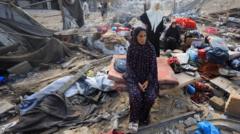
Hamas Confirms Disarmament Agreement Under Trump Peace Framework
In a significant development for Middle Eastern diplomacy, Hamas has formally agreed to the disarmament provisions outlined in Trump's Board of Peace initiative. The Hamas disarmament agreement represents a major breakthrough in ongoing efforts to establish lasting peace in the region, according to statements made by senior organizational officials to international media outlets.
The decision to accept the Board of Peace initiative comes after weeks of diplomatic negotiations and discussions between Palestinian representatives and mediators involved in crafting the proposal. This move signals a potential shift in Hamas's strategic positioning toward conflict resolution and peacebuilding efforts in the region.
Key Details of the Board of Peace Plan
The Board of Peace framework, announced by former U.S. President Donald Trump, introduces comprehensive mechanisms designed to foster coexistence between Palestinians and Israelis. The plan encompasses security guarantees, economic development initiatives, and institutional reforms aimed at creating conditions for sustainable peace in the territories.
Senior Hamas officials, speaking on condition of being identified only by their organizational roles, confirmed to the BBC that their leadership has reached consensus on accepting the agreement's fundamental principles. The Trump peace plan reportedly includes provisions for transitional security arrangements and gradual military restructuring of Palestinian armed groups.
Israel's Response and Current Status
Despite Hamas's public commitment to the disarmament agreement, the Israeli government has not yet released an official statement regarding its position on the Board of Peace proposal. Israeli officials have historically maintained cautious approaches to Palestinian peace initiatives, citing security concerns and previous agreements' implementation challenges.
The absence of immediate Israeli commentary reflects the complex diplomatic landscape surrounding Middle East peace negotiations. Both sides have historically required time to assess proposed frameworks before committing to formal positions. International observers note that Israeli endorsement remains crucial for the plan's implementation and long-term viability.
Implications for Regional Stability
The Hamas disarmament agreement, if successfully implemented, could represent a watershed moment for Hamas Israel conflict resolution efforts. Analysts suggest that voluntary disarmament by Palestinian militant groups would address one of the primary Israeli security concerns that has historically stalled peace talks.
The agreement addresses provisions for weapon decommissioning, military structure reformation, and integration of former combatants into civilian society. These measures are designed to build confidence between the parties and create tangible demonstrations of commitment to peaceful coexistence.
International Community Response
Global stakeholders, including the United Nations and European Union representatives, have expressed cautious optimism regarding the Hamas agreement. International observers emphasize that sustained commitment from both Palestinian and Israeli leadership remains essential for translating diplomatic agreements into concrete peace arrangements.
The Board of Peace initiative reflects ongoing international efforts to resolve the decades-long Israeli-Palestinian conflict through structured dialogue and mutually acceptable frameworks. Previous peace proposals have faced implementation challenges, prompting international negotiators to design the current plan with enhanced enforcement mechanisms and oversight provisions.
Looking Forward: Implementation Challenges
Experts highlight that converting the Hamas disarmament agreement into effective implementation presents significant challenges. Historical precedent suggests that translating leadership-level commitments into ground-level compliance requires sustained international monitoring, adequate financing for transition programs, and ongoing diplomatic engagement.
The Board of Peace plan includes provisions for international oversight mechanisms designed to monitor compliance and address disputes arising during implementation phases. These measures acknowledge the complexities inherent in dismantling militarized organizational structures while maintaining social services and institutional functions.
As developments continue, the international community remains focused on securing Israeli participation in the Board of Peace framework. The success of this unprecedented agreement on Hamas disarmament could potentially reshape regional dynamics and establish precedents for resolving other protracted Middle Eastern conflicts.