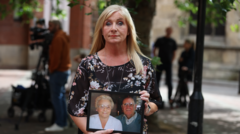
Heartbroken Mother Discovers Baby's Ashes Misidentified as Animal Remains
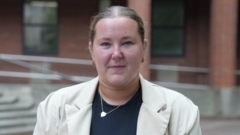
A Devastating Misidentification That Shattered a Family's Grief
The discovery that a baby's ashes misidentified and mistaken for animal remains has left one family heartbroken and searching for answers. Lucy Ness faced an unimaginable situation when she was informed that the cremated remains she believed to be her beloved infant were actually from an animal, compounding her already profound loss with shock and disbelief.
This tragic error highlights the critical importance of proper identification protocols in cremation facilities and the potential for devastating consequences when such procedures fail. The mix-up not only affected the emotional well-being of the grieving family but also raised serious questions about the systems in place to prevent such occurrences.
Lucy Ness's Heart-Wrenching Journey
Lucy Ness has become the unexpected voice for families facing similar nightmares. When she was initially told that her baby's ashes were animal remains, the news felt like a second loss. The emotional toll of burying what she believed to be her child, only to discover the truth later, has left lasting scars on her family.
Speaking about the ordeal, Ness expressed her deepest hope and the heartfelt emotions that guided her through this darkness. Her words reflect the profound love she had for her baby and the anguish of not knowing where her child's actual remains were located. She stated with deep conviction: "I hope my baby's remains are with someone who loves them like I loved these."
This simple yet powerful statement encapsulates the human element often overlooked in discussions about cremation procedures—the emotional connection between parents and their children, even after death.
The Critical Importance of Proper Identification Systems
The incident involving Lucy Ness's baby's ashes misidentified as animal remains brings to light the necessity for robust identification and tracking systems in crematoriums. Modern facilities should employ multiple verification steps to ensure that each set of remains is correctly identified and returned to the right family.
Currently, many cremation services rely on identification tags and documentation records that, while generally reliable, are still susceptible to human error. The case of baby's ashes being confused with animal remains demonstrates that even in professional settings, mistakes can occur with devastating consequences.
Systemic Failures and Their Consequences
When cremation facilities fail to properly track and identify remains, the consequences extend far beyond a single family's grief. Investigations into such incidents often reveal gaps in standard operating procedures, inadequate staff training, or insufficient quality control measures.
In this case, the ashes mix-up raises questions about how such an error was possible and what safeguards failed to catch it before the remains were returned to the family. These are essential questions that crematoriums across the industry must address to prevent similar tragedies.
Moving Forward: Hope and Accountability
For Lucy Ness and families affected by similar cremation errors, the path forward involves both finding closure and ensuring accountability. The desire to locate her baby's actual remains and the hope that they are being treated with the same love and respect she provided reflects the universal need for proper handling of human remains.
The incident serves as a catalyst for broader conversations about industry standards, regulatory oversight, and the implementation of advanced identification technologies. Digital tracking systems, photographic documentation, and enhanced staff certification programs are among the measures that facilities can adopt to prevent future baby's ashes misidentified situations.
Industry Standards and Regulatory Framework
Cremation services operate under various regulations depending on jurisdiction, but not all standards are equally rigorous. The mix-up involving Lucy Ness's baby's ashes misidentified as animal remains suggests that current regulations may need strengthening.
Professional cremation associations and regulatory bodies should establish clearer protocols for identification verification, implement periodic audits, and require crematoriums to maintain detailed records of all remains processed. Additionally, families should be informed about what verification steps are taken on their behalf.
The Human Cost of Institutional Failures
Behind every case of ashes being confused or misidentified is a family experiencing profound grief compounded by institutional failure. Lucy Ness's experience highlights the human cost of these errors and the lasting impact they have on bereaved families.
The emotional journey from believing you have your child's remains to discovering they were animal remains, then not knowing where your actual baby's remains are, represents a unique form of trauma that deserves recognition and appropriate support.
Steps Families Can Take
Families facing their own losses can take several precautions when selecting cremation services. Choosing facilities accredited by recognized cremation associations, requesting detailed documentation of the process, and asking about identification procedures can provide some reassurance. Additionally, witnessing the placement of remains can offer families peace of mind.
As Lucy Ness's story continues to unfold, her courage in speaking publicly about having her baby's ashes misidentified may help prevent others from experiencing similar heartbreak and ensure that the cremation industry adopts higher standards of care and accountability for bereaved families everywhere.