Locals Defend Their Homes Against France Wildfire
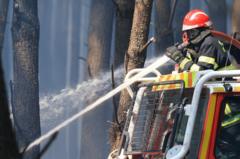
France Wildfire Intensifies as Communities Resist Evacuation Orders
A France wildfire continues to pose significant challenges in the Gironde region, where persistent fire outbreaks are testing both emergency responders and local communities. Despite official evacuation directives, some residents have chosen to remain in their homes, prioritizing protection of their properties over compliance with safety protocols.
Extreme Conditions Challenge Firefighting Efforts
Firefighting teams are confronting unprecedented difficulties as temperatures soar to 40 degrees Celsius across the affected areas. The combination of extreme heat and dry conditions has created an environment where flames spread rapidly and unpredictably. Professional crews are working continuously to contain the France wildfire and prevent its expansion into nearby residential zones and forest areas.
Local Resistance to Evacuation Measures
In a striking display of determination, several inhabitants of the Gironde region have refused to abandon their residences despite urgent evacuation notices issued by local authorities. These residents express deep emotional connections to their land and communities, viewing their homes and surrounding forests as irreplaceable heritage that requires personal protection.
Their decision reflects broader concerns about property abandonment and the potential for looting or secondary damage that often follows large-scale evacuations. Many locals feel that maintaining a physical presence on their property provides the best defense against loss and destruction during the crisis.
Community Voices and Personal Stakes
Interviews with residents reveal the profound attachment many hold toward their homes and the natural landscapes surrounding them. These individuals articulate that their decision to stay represents more than mere stubbornness; rather, it reflects generations of family history and cultural significance embedded in their properties.
The France wildfire has forced difficult conversations between government officials and citizens about risk tolerance, property rights, and community welfare during natural disasters. Local authorities continue to emphasize the serious dangers posed by remaining in evacuation zones, warning that emergency services may face challenges reaching individuals who choose to stay during active fire progression.
Fire Behavior and Environmental Factors
The Gironde region's geographic characteristics and vegetation patterns contribute to the severity of the current situation. Dense forest areas, combined with drought conditions and high temperatures, create ideal conditions for rapid fire spread. Firefighting professionals note that controlling such blazes requires constant adaptation to changing wind patterns and fuel availability.
The France wildfire demonstrates how climate factors amplify the challenge of containment efforts. Current meteorological conditions have created flare-ups in previously managed perimeters, forcing teams to redirect resources and adjust tactical approaches repeatedly throughout operations.
Emergency Response Coordination
Firefighting agencies have mobilized substantial resources to manage the situation in the Gironde region. Multiple crews, specialized equipment, and aerial support systems have been deployed to combat the flames. Coordination between regional and national authorities ensures that response strategies account for the dynamic nature of the threat.
Despite these comprehensive efforts, the France wildfire continues to present obstacles that slow progress toward full containment. Logistics, personnel safety, and equipment limitations all factor into the operational challenges faced by emergency responders.
Looking Forward
The situation in the Gironde region remains fluid and uncertain. As the France wildfire continues to evolve, authorities will likely intensify efforts to encourage evacuation compliance while simultaneously managing expectations about their ability to protect properties where residents remain present. The coming days will be critical in determining whether current containment strategies prove effective or whether additional resources and interventions become necessary.