Semiconductor Stocks Plunge Globally Amid AI Market Uncertainty
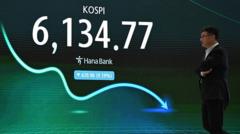
Semiconductor Stocks Decline Amid Growing AI Uncertainty
Semiconductor stocks decline sharply across major international markets as investor confidence wavers over artificial intelligence sector valuations. The global tech selloff has prompted significant portfolio adjustments among institutional and retail traders alike, signaling broader concerns about sustainable growth in the AI-driven economy.
South Korea's primary stock exchange experienced substantial pressure during early trading hours on Tuesday. The Kospi index fell dramatically, triggering automatic trading halts designed to stabilize the market and prevent panic-driven selling. This circuit breaker mechanism represents a critical moment for semiconductor manufacturers and technology investors who had previously anticipated continued momentum in the sector.
Market Volatility Across Asian Markets
The semiconductor stocks decline reflects systemic concerns affecting Asian tech hubs where microchip production and export represent fundamental economic drivers. South Korea's semiconductor industry, home to global giants like Samsung and SK Hynix, absorbed considerable losses as institutional investors reassessed their technology allocations.
Trading interruptions prevented further deterioration, though the temporary pause highlighted underlying market fragility. Analysts noted that the 8% plunge on South Korea's Kospi demonstrated how quickly investor sentiment can shift when questions emerge regarding AI profitability timelines and realistic return expectations.
US Market Contagion and Tech Sector Pressure
American semiconductor equities experienced comparable pressure as Asian markets transmitted negative momentum across the Pacific. Major US chip manufacturers saw their valuations erode as portfolio managers worldwide simultaneously reduced technology sector exposure.
The semiconductor stocks decline in North America reflected coordinated unwinding of positions that had accumulated during the previous AI euphoria. Investors concerned about valuation extremes and disappointing earnings guidance began rotating capital toward safer asset classes.
AI Investment Jitters Drive Sector Reassessment
Underlying anxiety about artificial intelligence implementation costs and uncertain monetization pathways prompted investors to question whether current semiconductor valuations justified their premium positioning. The sector had attracted substantial speculative inflows, yet fundamental concerns about profitability benchmarks created vulnerability to negative sentiment shifts.
Market participants began distinguishing between companies with tangible AI revenue contributions and those merely making strategic claims about artificial intelligence exposure. This differentiation process resulted in broader semiconductor stocks decline as the market sought clearer visibility into actual business impacts.
Trading Halts and Market Safeguards
The temporary pause in South Korea's trading represented an automatic safety mechanism designed to absorb sudden volatility and provide market participants with breathing room during stressed conditions. These circuit breakers have become essential infrastructure for managing extreme price movements.
Regulators worldwide monitor similar mechanisms to ensure adequate circuit breaker protections during volatile sessions. The semiconductor stocks decline demonstrated why such safeguards matter for maintaining orderly markets during periods of acute investor skepticism.
Global Implications and Forward-Looking Concerns
The selloff signified broader market apprehension about whether AI-related investments had achieved excessive valuations disconnected from near-term earnings reality. Semiconductor manufacturers depend heavily on sustained demand from data center expansion supporting AI infrastructure development.
Investors now face uncertainty regarding the pace of AI adoption acceleration and whether capital expenditure cycles justify elevated stock prices. The semiconductor stocks decline across multiple continents suggests this reassessment extends far beyond isolated regional concerns, affecting sentiment in major trading centers from Seoul to New York.


