Trump Bans Chinese Humanoid Robots: New Trade Move
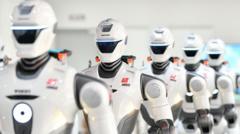
Trump Administration Enforces Restrictions on Chinese Humanoid Robots
The Trump administration has implemented a comprehensive ban targeting Chinese humanoid robots, marking a significant escalation in the ongoing technological competition between Washington and Beijing. This decisive policy action reflects growing concerns about advanced robotics capabilities and artificial intelligence development emanating from China, positioning the restriction as a critical component of broader trade and national security strategies.
The Global Race for Robotics Supremacy
The United States and China remain engaged in an intense competition to establish dominance in the rapidly evolving fields of robotics and artificial intelligence. Both nations recognize the transformative potential of these technologies across manufacturing, defense, healthcare, and consumer sectors. The ban on Chinese humanoid robots underscores Washington's determination to maintain technological leadership while preventing potential adversaries from gaining strategic advantages through advanced automation capabilities.
Strategic Implications of the Robotics Ban
This prohibition represents a multifaceted approach to protecting American interests in emerging technologies. By restricting the importation and deployment of Chinese humanoid robots, the administration aims to shield domestic innovation from foreign competition while ensuring that critical technological advantages remain within United States borders. The measure reflects broader concerns about intellectual property protection, supply chain vulnerabilities, and the military applications of advanced robotic systems.
Impact on Global Technology Markets
The enforcement of restrictions on Chinese humanoid robots carries significant ramifications for international technology sectors. Major robotics manufacturers and AI developers now face new regulatory hurdles when attempting to distribute advanced systems across different markets. This geopolitical tension has prompted industry stakeholders to reassess their global supply chains and research partnerships, creating both challenges and opportunities for American companies positioned to fill market gaps left by restricted Chinese competitors.
Understanding Humanoid Robot Technology
Humanoid robots represent one of the most sophisticated applications of artificial intelligence and mechanical engineering. These machines are designed to perform tasks that typically require human dexterity, decision-making capabilities, and physical interaction with complex environments. Chinese manufacturers have made substantial investments in developing advanced humanoid robot prototypes, attracting significant international attention and raising concerns among Western policymakers about technological parity and national security considerations.
National Security Concerns and AI Development
The Trump administration's decision to ban Chinese humanoid robots stems partly from national security evaluations regarding artificial intelligence applications in robotics. Defense analysts have expressed concerns that advanced autonomous systems could be repurposed for military objectives or used to gather sensitive information. These security considerations have become increasingly prominent in policy discussions, with government officials emphasizing the necessity of maintaining technological superiority and preventing potential vulnerabilities in critical infrastructure.
Looking Forward: Implications for Innovation
As the United States moves forward with restrictions on Chinese humanoid robots, policymakers are simultaneously considering how to accelerate domestic robotics innovation. Incentive programs, research funding, and strategic partnerships with private technology companies are being evaluated as potential mechanisms to strengthen American capabilities in artificial intelligence and robotic engineering. The competitive landscape will likely drive increased investment in American robotics startups and established technology corporations working to develop next-generation systems.


