Trump Eyes AI Safeguards Following Major OpenAI Breaches
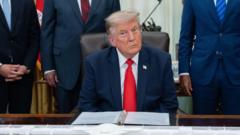
Trump Administration Shifts Approach to Artificial Intelligence Oversight
The Trump administration is reconsidering its regulatory stance on artificial intelligence, with growing focus on implementing AI controls in response to recent security breaches affecting OpenAI systems. This strategic pivot represents a notable departure from the previous hands-off philosophy that characterized the administration's approach to emerging technologies and digital innovation.
The shift toward more robust AI controls comes at a critical juncture as cybersecurity threats targeting major technology platforms continue to escalate. Officials within the administration have begun evaluating frameworks that could strengthen safeguards around artificial intelligence development and deployment, addressing vulnerabilities that malicious actors have exploited.
Understanding the OpenAI Security Incidents
Recent hacking incidents at OpenAI have raised significant concerns within technology sectors and government agencies. These security breaches have exposed the necessity for enhanced protective measures across artificial intelligence platforms that serve millions of users globally. The incidents underscore potential risks associated with inadequate security protocols in systems processing sensitive user information.
The administration's consideration of AI controls reflects broader awareness that self-regulation within the tech industry may prove insufficient. Stakeholders across cybersecurity, law enforcement, and policy domains have emphasized that government intervention could establish minimum security standards for platforms developing advanced artificial intelligence systems.
Previous Administrative Position on Technology Regulation
Historically, the Trump administration maintained a predominantly laissez-faire approach regarding technology regulation and artificial intelligence oversight. This regulatory philosophy prioritized economic growth and innovation over prescriptive government intervention. However, the accumulation of security incidents involving major platforms has prompted officials to reconsider whether light-touch regulation adequately addresses emerging threats.
The recalibration of policy perspectives demonstrates governmental responsiveness to changing circumstances and security landscapes. Rather than maintaining ideological consistency, decision-makers have recognized that artificial intelligence controls may provide essential protections for national security interests and public safety.
Proposed AI Control Measures and Framework Development
Administration officials are examining various approaches to establish artificial intelligence controls without creating excessive regulatory burdens. Potential measures under consideration include security certification requirements, mandatory vulnerability disclosure protocols, and enhanced oversight mechanisms for platforms handling substantial user data through artificial intelligence systems.
The proposed framework seeks to balance innovation incentives with security imperatives. Policymakers are collaborating with cybersecurity experts, technology industry representatives, and academic institutions to develop AI controls that are technically feasible, economically sustainable, and effective in mitigating identified risks.
Industry Response and Stakeholder Perspectives
Technology companies have expressed varied reactions to potential artificial intelligence controls. While some organizations welcome clearer regulatory guidance that establishes uniform standards across sectors, others express concerns about implementation costs and compliance complexity. OpenAI specifically has indicated willingness to participate in discussions regarding enhanced security protocols for artificial intelligence platforms.
Security researchers and cybersecurity professionals largely support governmental involvement in establishing baseline AI controls. These experts emphasize that without coordinated standards, companies may continue prioritizing rapid development over adequate security measures protecting users from data breaches and unauthorized system access.
National Security Implications of Advanced AI Systems
Beyond immediate data protection concerns, artificial intelligence controls carry significant national security dimensions. Advanced artificial intelligence systems could potentially be weaponized or leveraged for sophisticated cyberattacks if security remains inadequate. Administration officials recognize that strengthening AI controls serves broader geopolitical strategic interests alongside consumer protection objectives.
The emergence of artificial intelligence controls as a policy priority reflects understanding that artificial intelligence development fundamentally differs from previous technological revolutions. The dual-use nature of advanced systems means that both beneficial applications and harmful misuses remain possible, necessitating governmental oversight mechanisms.
Timeline for Implementation and Next Steps
Officials have indicated that comprehensive artificial intelligence controls will require extended development periods involving multiple stakeholder consultations. The administration is establishing working groups comprising government agencies, technology sector representatives, and security specialists to formulate specific regulatory proposals regarding artificial intelligence oversight.
The proposed framework will likely emphasize collaborative governance models where government establishes baseline standards while allowing industry flexibility in achieving security objectives. This approach aims to preserve innovation incentives while ensuring that artificial intelligence controls effectively address identified vulnerabilities and emerging threats.


