Two Firefighters Killed Fighting Crete Wildfires Amid Europe Crisis
Devastating Wildfire Tragedy in Crete
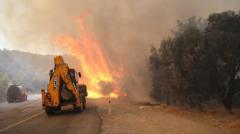
A catastrophic wildfire outbreak has claimed the lives of two dedicated firefighters in Crete, marking one of the most serious incidents in the Mediterranean region's ongoing battle against uncontrolled blazes. The Crete wildfires have intensified dramatically over the past 48 hours, driven by dangerous meteorological conditions that have made containment efforts exceptionally challenging for emergency response teams across the island.
The tragic deaths underscore the extreme risks faced by first responders working on the frontlines of these devastating fires. These brave individuals were conducting critical firefighting operations when they were overwhelmed by the rapidly advancing flames, a sobering reminder of the unpredictable nature of large-scale wildfire events and their capacity to endanger even the most experienced personnel.
Extreme Weather Conditions Fuel Rapid Fire Spread
Gale-force winds sweeping across the island have substantially accelerated the spread of Crete wildfires, creating treacherous conditions that make ground and aerial operations increasingly dangerous. Wind speeds reaching dangerous levels have whipped flames across previously unaffected areas, forcing emergency authorities to implement immediate evacuation protocols for vulnerable communities in the path of the advancing infernos.
The unprecedented wind patterns have transformed what might have been manageable fire situations into full-scale emergencies requiring unprecedented coordination between local, regional, and national authorities. Meteorological experts warn that these atmospheric conditions may persist for several additional days, prolonging the crisis period and maintaining the elevated risk to communities throughout the affected regions.
Mass Evacuations Across Multiple Villages
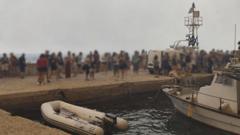
Emergency officials have initiated large-scale evacuation operations affecting numerous villages positioned in vulnerable zones surrounding the active wildfire zones. Residents have been instructed to abandon their homes immediately as the rapidly advancing flames approached residential areas with alarming speed. Local authorities coordinated evacuation routes and established temporary shelters to accommodate displaced families seeking refuge from the encroaching danger.
The evacuation efforts represent one of the most comprehensive emergency responses implemented in recent years, with hundreds of residents relocated to safety zones away from the immediate threat. Emergency services have established command centers to manage ongoing evacuations and maintain communication with affected communities during this critical period.
Broader European Wildfire Crisis
The situation in Crete represents part of a significantly larger wildfire emergency impacting multiple regions throughout southern Europe. Several nations across the Mediterranean basin continue confronting major fire incidents simultaneously, straining firefighting resources and emergency response capabilities across the entire continent. This synchronized crisis has prompted international cooperation agreements and mutual aid arrangements between neighboring countries sharing firefighting expertise and specialized equipment.
Countries including Spain, Italy, Greece, and Portugal have activated their emergency protocols, deploying additional personnel, aircraft, and support resources to combat the widespread conflagrations. The timing of these simultaneous fire outbreaks during peak summer conditions has created unprecedented demand on emergency services infrastructure and personnel availability throughout the region.
Response and Future Outlook
Firefighting agencies have mobilized extensive resources including water-bombing aircraft, ground crews, and specialized equipment to combat the expanding Crete wildfires. Despite heroic efforts from emergency personnel, rapidly changing wind conditions and extreme heat continue presenting formidable obstacles to containment operations. Authorities emphasize that public cooperation with evacuation orders and safety guidelines remains critical to protecting lives and minimizing property losses throughout the affected areas.