Burnham Confirms UK Net Zero 2050 Target Despite Gasfield
Prime Minister Reaffirms Climate Ambitions
In a significant statement addressing environmental concerns, the UK government has reiterated its resolve to achieve net zero commitment UK by 2050, despite recent regulatory decisions that have sparked debate among climate advocates. Andy Burnham, emphasizing his administration's dedication to addressing the climate emergency, has made clear that the nation will not falter in its environmental responsibilities, even as it navigates complex energy policy decisions.
The prime minister's latest remarks represent some of his most emphatic declarations regarding net zero commitment UK since taking office. Through an opinion piece published in a major publication, Burnham stressed that his "determination is unwavering" in pursuit of Britain's climate objectives, signalling to both domestic and international audiences that the government remains steadfast in its environmental agenda.
Jackdaw Gasfield Decision Explained
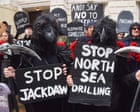
The government's approval of the Jackdaw gasfield development has generated considerable discussion within political and environmental circles. However, Burnham has framed this decision within a broader strategic context, emphasizing that isolated approvals do not represent a departure from the nation's long-term climate strategy. The prime minister has sought to demonstrate that energy policy decisions must balance immediate economic and security considerations with overarching sustainability goals.
The Jackdaw project, located in the North Sea, represents a complex policy intersection where energy independence, employment, and climate objectives converge. While environmental groups have expressed reservations about new fossil fuel extraction, the government has attempted to position this decision as consistent with a comprehensive transition strategy that ultimately favours renewable energy and emissions reduction.
New North Sea Licences Blocked
A critical component of the government's climate strategy involves halting further expansion of oil and gas exploration in the North Sea. Burnham has committed to blocking new North Sea licences, signalling that while existing projects may proceed through regulatory processes, the government will not authorize additional fossil fuel extraction permits. This approach reflects an effort to demonstrate climate leadership while managing the transition away from hydrocarbon dependence.
The decision to prevent new North Sea licences underscores the government's position that it recognizes the necessity of constraining fossil fuel development. By limiting future extraction opportunities, the administration aims to accelerate the shift towards renewable energy infrastructure and position Britain as a leader in the global green energy transition. This policy direction aligns with broader international commitments to carbon reduction and climate stabilization.
Addressing Parliamentary Concerns
Burnham's explicit reaffirmation of net zero commitment UK comes at a time when numerous members of parliament have privately questioned the authenticity and priority of the government's climate agenda. These internal doubts, reportedly circulating among MPs across various constituencies, suggest some political figures worry that recent decisions contradict stated environmental objectives.
By publishing his statement and making public declarations about climate resolve, the prime minister appears intent on countering these sceptical voices and reinforcing his government's credibility on environmental matters. Such internal political pressure underscores the sensitivity of balancing multiple policy priorities while maintaining public and parliamentary confidence in climate action.
Strategic Framework for Net Zero Achievement
The government's approach to achieving net zero commitment UK by 2050 encompasses multiple policy mechanisms beyond restrictions on North Sea development. These include investments in renewable energy infrastructure, support for emerging green technologies, industrial decarbonization strategies, and transitional support for workers and communities dependent on fossil fuel industries.
Burnham's messaging emphasizes that the "net-zero transition" must function effectively for Britain's economy and workforce. This framing acknowledges that environmental objectives cannot be pursued in isolation from economic and social considerations. The government appears committed to demonstrating that climate action and economic prosperity are compatible objectives.
International Climate Commitments
Britain's net zero commitment UK aligns with international climate agreements and frameworks that obligate participating nations to reduce greenhouse gas emissions substantially over coming decades. The 2050 target places the UK among nations with legally binding climate objectives, creating both opportunities for leadership and pressures to demonstrate genuine progress.
The government's statements and policy decisions will be scrutinized against these international commitments. Burnham's affirmations of resolve serve both domestic political purposes and international diplomatic functions, signalling to global partners that Britain remains a committed participant in collective climate action efforts.
Future Policy Direction
Moving forward, the government faces the challenge of translating stated commitments into measurable emissions reductions and concrete policy outcomes. The coming years will require substantial investments in green infrastructure, workforce retraining programmes, and regulatory frameworks that support the transition to low-carbon economic activity.
Burnham's public pledge regarding net zero commitment UK suggests the government recognizes that maintaining political momentum behind climate action will require regular reaffirmation and visible progress. As Britain navigates the energy transition, policy decisions will continue to face scrutiny from environmental advocates, political opponents, and international observers assessing whether commitments translate into genuine climate action.