Labour Secures Victory in Greater Manchester Mayoral Race
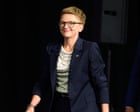
Labour's Commanding Victory in Greater Manchester Mayoral Byelection
The Greater Manchester mayoral byelection has delivered a resounding triumph for Labour, as the party successfully regained voter confidence in constituencies where alternative political movements had made notable advances. This decisive outcome represents a significant moment in regional politics, with far-reaching implications for the authority's leadership and future direction.
Bev Craig, who has served as leader of Manchester city council, emerges as the victorious candidate in this closely watched electoral contest. Her successful campaign demonstrates the party's capacity to reconnect with voters across the region, particularly in areas that had shown receptiveness to competing political alternatives during the May elections.
From Council Leader to Regional Authority Chief
Craig's assumption of the mayoral position represents a substantial elevation in her political responsibilities and influence. As the successor to Andy Burnham, she inherits one of the most consequential political roles in the United Kingdom outside the Houses of Parliament. The position carries substantial executive authority over major policy areas including transport, economic development, and public services across the Greater Manchester region.
The transition marks a continuation of Labour's institutional dominance in the region, despite the electoral challenges the party faced merely months earlier. The May elections had demonstrated shifting voter preferences, with Reform UK and Green candidates gaining ground in specific areas. However, the byelection results indicate that Labour has successfully addressed the concerns that drove voters toward these alternative movements.
Reversing Electoral Losses from May
One of the most significant aspects of this byelection victory concerns Labour's ability to reverse losses suffered in the May local elections. During that contest, Reform UK had captured attention and support in multiple constituencies across Greater Manchester, reflecting broader discontent with the traditional political establishment. The Greens, meanwhile, had also achieved notable success in urban areas where environmental and social concerns resonate strongly with electorates.
Craig's campaign focused on reconnecting with these voters and demonstrating that Labour could address their concerns more effectively than emerging political alternatives. The decisive nature of her victory suggests that this message resonated substantially across the electoral region. This outcome provides Labour with a template for regaining ground in other areas where the party experienced setbacks during previous electoral cycles.
The Significance of Greater Manchester Leadership
The Greater Manchester mayoral position carries considerable weight in British regional politics. The elected mayor exercises executive control over a combined authority encompassing ten metropolitan boroughs, representing a population exceeding two and a half million residents. This authority manages budgets running into billions of pounds and oversees crucial infrastructure and public service provision across one of England's most economically significant regions.
Andy Burnham, Craig's predecessor, had established the position as a powerful and influential office within the devolved governance structure. His tenure saw numerous initiatives focused on economic development, transport improvements, and public health coordination across the region. Craig inherits both the achievements and ongoing challenges of this leadership role, with expectations to maintain momentum on established priorities while potentially introducing her own policy emphasis.
Implications for Labour's Political Recovery
This Greater Manchester mayoral byelection victory carries broader significance for Labour's political positioning following a period of electoral volatility. The decisive nature of the result suggests that when the party effectively engages with voter concerns and presents compelling alternatives to emerging political movements, it can successfully defend and regain political ground. The result provides encouragement for Labour as it prepares for future electoral contests across various regions.
The byelection demonstrates that Reform UK's apparent momentum following the May elections may not be irreversible, and that voters remain willing to support Labour candidates who connect authentically with their priorities and concerns. This finding has relevance for political strategy discussions at the national and regional levels within the Labour organization.
Looking Forward
As Bev Craig assumes her new responsibilities, Greater Manchester faces an array of complex challenges requiring the mayor's attention and resources. Economic regeneration, transport infrastructure development, and public service coordination remain central priorities for the region. Craig's election offers the opportunity to advance these agendas while building on the renewed mandate that her decisive electoral victory represents.
The Greater Manchester mayoral byelection has thus provided a clear result that reshapes the region's political landscape and reaffirms Labour's institutional strength in one of England's most important metropolitan areas.