French Navy Fires 17 Shots Near Conservative MP in Channel
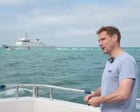
Conservative MP Rejects French Navy Training Explanation
Conservative MP Chris Philp, serving as Shadow Home Secretary, has disputed French authorities' assertion that the French Navy Channel incident involving gunfire near his vessel was a standard training operation. Philp was monitoring small boat crossings in the English Channel when a French warship approached and fired 17 live rounds in his vicinity, prompting concerns about the nature of the engagement.
The incident has escalated diplomatic tensions as Philp characterized the actions as either warning shots or deliberate intimidation rather than a planned military exercise. His statement contradicts the French claim, which attempted to frame the discharge as routine naval operations with no connection to his official observation activities.
Details of the Channel Confrontation
According to Philp's account, he was conducting interviews with the BBC when the French Navy vessel approached without prior warning. The 17 rounds were fired behind his boat, creating an alarming situation that raised questions about proper maritime communication protocols and safety procedures between allied nations operating in shared waters.
The Shadow Home Secretary emphasized that no advance notice was provided regarding any training exercise, making the incident appear as an intentional show of force. This timing coincided with his official duties monitoring the migration situation across the Channel, a politically sensitive issue in contemporary UK politics.
Broader Context of Channel Security
This encounter is not an isolated event in the English Channel. Earlier incidents involving Russian vessels firing on British maritime assets have prompted increased concerns about safety in this critical waterway. The Channel incident involving the French warship has therefore raised questions about the adequacy of international maritime communication standards and coordination between NATO allies.
The English Channel remains one of the world's busiest shipping lanes, with numerous vessels operating simultaneously. The lack of coordination that allegedly preceded the French Navy's actions highlights potential gaps in inter-agency communication protocols that could endanger civilians and complicate ongoing border security operations.
Official Positions and Diplomatic Implications
Philp's rejection of the training exercise explanation signals a hardened stance against what he perceives as aggressive posturing. The French authorities' attempt to characterize the shots as routine operations contradicts the circumstances as presented by the UK politician, suggesting a fundamental disagreement about what transpired during the encounter.
The divergence in narratives between British and French officials concerning the warning shots Channel incident underscores broader complexities in collaborative maritime operations. As two European nations with shared responsibilities in Channel waters, the discrepancy demands clarification and potentially strengthened protocols to prevent similar misunderstandings.
Immigration Monitoring and Official Duties
Philp's presence on the vessel was directly related to ongoing British government concerns about irregular migration. The Conservative Party has made border security a central policy focus, and the Shadow Home Secretary's direct involvement in monitoring operations demonstrates the priority placed on this issue by the opposition.
The Conservative MP intimidation aspect of this incident, should it be confirmed as intentional, would represent a troubling escalation in how maritime disputes are handled. Official duties related to immigration monitoring should not expose government officials to such risks or ambiguous military operations.
Reactions and Future Implications
The incident has generated significant political interest in the UK, with broader implications for UK-France relations during a sensitive period regarding shared maritime responsibilities and migration management. The credibility of the training exercise explanation remains contested, with Philp standing firm in his assessment that the actions constituted either warning shots or intimidation tactics.
Moving forward, this encounter likely will inform discussions about maritime safety protocols and inter-agency communication procedures between British and French authorities. Clarifying the actual intent and nature of the French Navy's actions will be essential for maintaining cooperative relationships in this crucial shipping corridor and ensuring the safety of all personnel operating in Channel waters.